Why Premium Craft Cannabis Is Changing the Way We Choose Flower
The Art of the Grow
There was a time when buying cannabis meant choosing between "brown bag special" and something vaguely described as "top shelf." Those days are fading fast, replaced by a market that rewards growers who treat their plants with the same care a winemaker shows a vineyard. That shift is driven by the rise of premium craft cannabis, a category defined not just by potency but by attention to detail from seed to sale.
I have watched this evolution from the consumer side for years, and what strikes me most is how much the language of quality has changed. People now talk about terpene profiles the way they once talked about THC percentages. They ask about organic methods and curing times. They want to know who grew the plant, where it was grown, and how it was handled after harvest. This is not snobbery. It is the natural result of a maturing market where experience has taught people that the source matters.
What Makes Craft Cannabis Different
The term "craft" gets thrown around a lot, but in cannabis it usually means small-batch production with hands-on management at every stage. A grower running a micro-lot operation might tend to only a few dozen plants at a time, pruning each one by hand, monitoring soil health daily, and harvesting when the trichomes show exactly the right color. That level of attention is expensive and time-consuming, but it produces flower that tastes cleaner, burns more evenly, and delivers a more nuanced experience.
Hand-trimming is one of the clearest signs of craft quality. Machine trimming is fast and cheap, but it strips away the delicate resin heads that hold most of the flavor and effect. A hand-trimmed bud retains those fragile trichomes, which means the first hit tastes like the plant actually smells. It is a small difference that adds up across an entire session.
Artisanal cultivation also means growers can focus on boutique strains that would never make sense for a large commercial operation. A big farm needs plants that yield heavily, resist mold, and ripen uniformly. A craft grower can chase flavor, aroma, and rarity. That is how you end up with cultivars that smell like diesel and lavender at the same time, or ones that shift flavor on the exhale. These are not gimmicks. They are the result of years of selective breeding and careful growing.
Terpene Profiles and the Search for Flavor
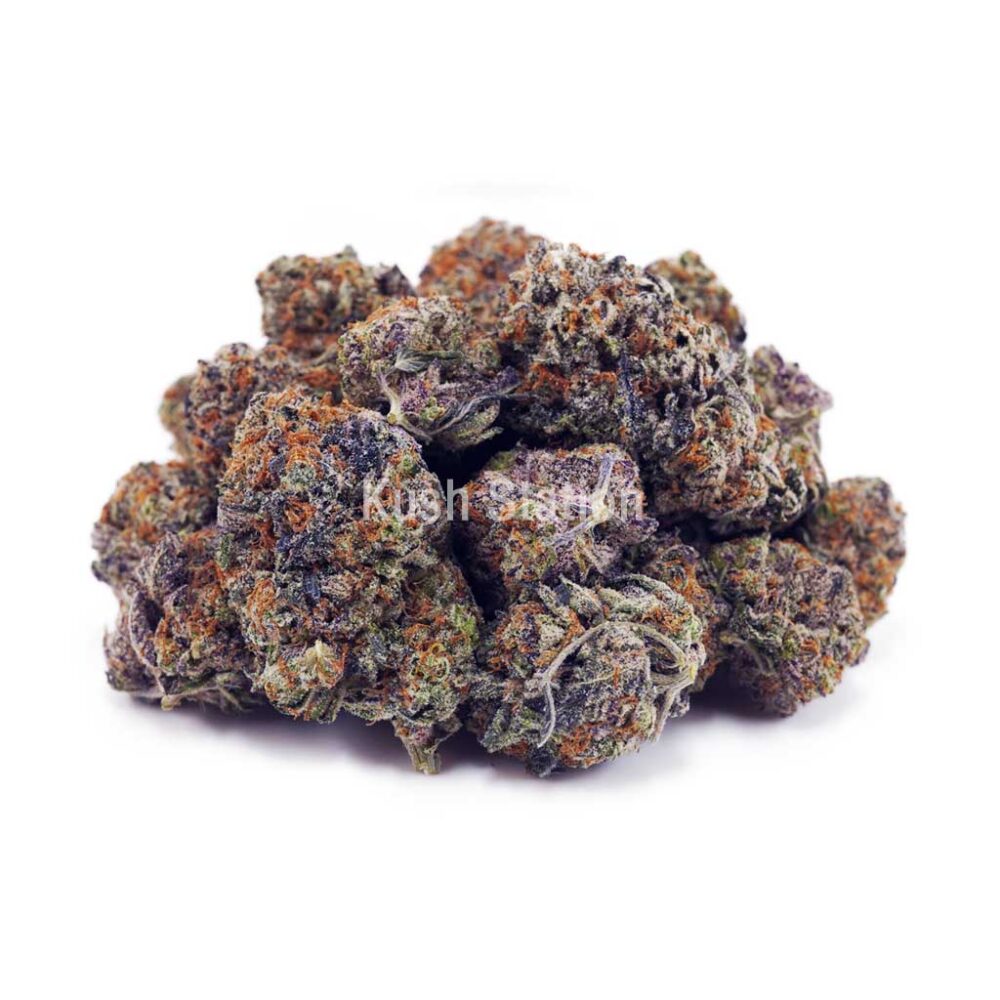
If you have ever opened a jar of well-cured craft flower and smelled something that reminded you of pine trees, citrus rinds, or fresh earth, you were smelling terpenes. These aromatic compounds are responsible for the distinct scents and flavors in cannabis, and they also interact with cannabinoids to shape the overall experience. Serious consumers now seek specific terpene profiles the way coffee drinkers seek single-origin beans.
I remember picking up a batch of a limonene-dominant sativa a few months ago. The smell was bright and sharp, almost like a lemon peel you could taste before you even lit it. That kind of clarity comes from careful drying and curing, not just genetics. A rushed cure can mute or muddy those volatile compounds. Craft producers know this, so they often cure flower for weeks or months in controlled conditions, sometimes in glass jars that are burped daily to release excess moisture. It is a slow process, but the result is flower that tastes as good as it looks.
Indica, Sativa, and the Modern Hybrid
Labels like indica and sativa still matter, but the lines have blurred. Most flower on the market today is hybrid, a cross of the two types bred for specific effects. A well-bred hybrid can offer the physical relaxation of an indica with the mental clarity of a sativa, which makes it a favorite for daytime use. But within those broad categories, the real variety comes from the growers.
In the craft world, you will find indica-dominant strains that do not just knock you out. They might carry notes of dark fruit and spice, with a body high that settles in slowly rather than hitting all at once. You will also find sativa-leaning hybrids that lift your mood without making your thoughts race. The best growers test their flower and share the results, so buyers know exactly what they are getting. Lab testing has become a standard part of the premium craft cannabis experience, and it gives consumers confidence that the product matches the description.
Beyond Flower: Prerolls, Hash, and Bundles
Craft quality is not limited to loose flower. Prerolls, for instance, can be a weak point in the market because many companies use leftover shake or low-grade trim to fill them. But craft producers treat prerolls differently. They use whole-flower grind, sometimes from the same batch they sell in jars, and they roll them by hand or with minimal machinery. The result is a preroll that burns evenly and tastes like the flower it came from.
Hash is another area where craft methods shine. Traditional hand-rubbed hash or solventless techniques preserve the full flavor of the plant, unlike mass-produced extracts that can taste harsh or one-dimensional. A small-batch hash made from a single strain can be a completely different product than a generic blend. It is worth trying if you have only ever had the commercial version.
Many buyers now prefer curated bundles that let them sample multiple strains without committing to a large amount of one. These bundles are a practical way to explore different terpene profiles and find what works best for you. They also make it easier to store flower properly, since craft producers often package their flower in airtight glass jars that preserve freshness far better than plastic bags or pouches. Sustainable packaging is another hallmark of the craft approach, and it aligns with the values of consumers who care about environmental impact.
Limited Drops and the Hunt for Rarity
One of the most exciting developments in the craft market is the rise of limited drops. A grower might release only a few hundred units of a particular strain, often from a single harvest, and once it is gone it is gone until the next cycle. This creates a sense of discovery that you do not get from mass-produced flower. It also encourages buyers to pay attention to what is coming next.
I have missed out on a few of these drops, and I learned the hard way that if you see something interesting, you should grab it. The upside is that the chase makes the hobby more engaging. You start following growers, reading about their methods, and learning what distinguishes one batch from another. That kind of involvement is good for the whole market. It rewards transparency and quality over marketing hype.
Farm-to-Table Thinking in Cannabis
The farm-to-table movement in food has a direct parallel in cannabis. Consumers want to know the story behind what they consume, and craft producers are happy to tell it. They talk about their soil amendments, their water sources, their drying rooms, and their curing protocols. They share photos of the plants in late flower and sometimes video of the harvest. This openness builds trust, and it also educates the buyer.
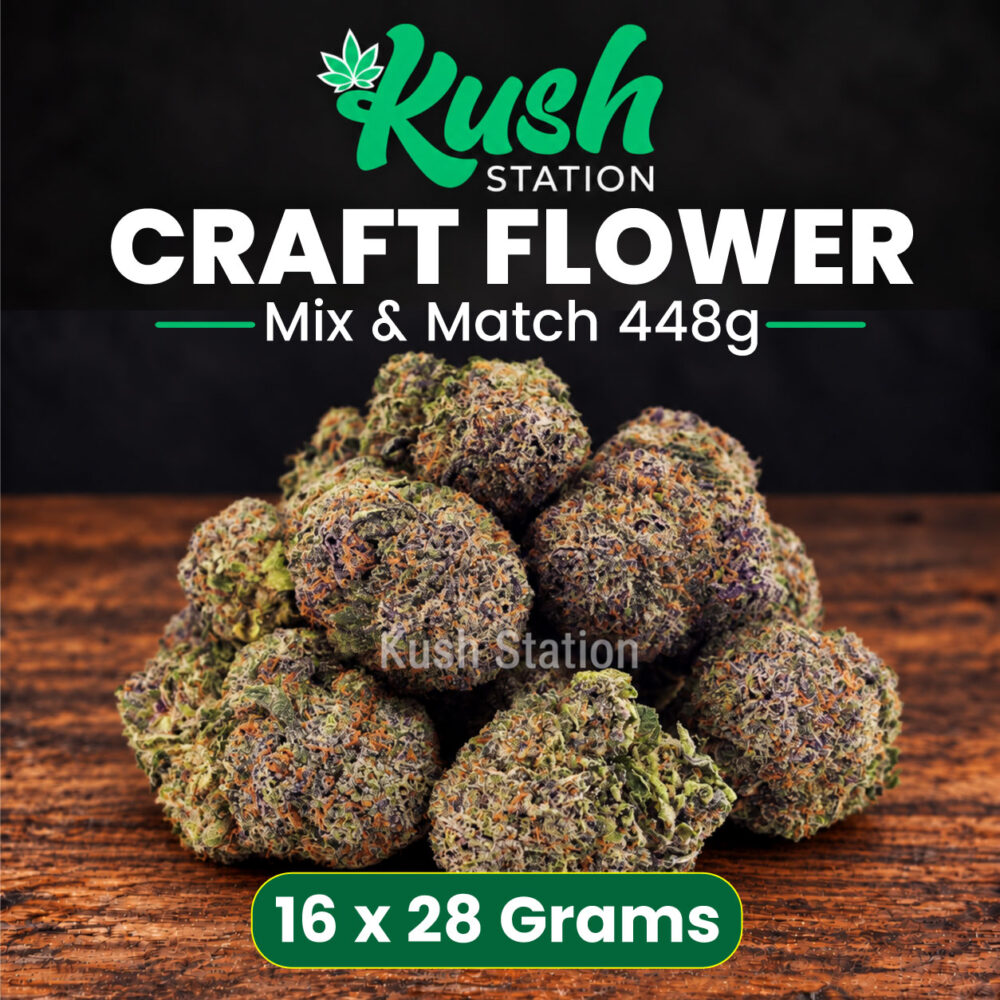
Kush Station, as an online retailer, operates at the intersection of this demand and supply. By offering mix-and-match bundle sizes, they make it easy for someone to try several craft options in one order. You can grab a few eighths of different boutique strains, see which terpene profiles you like, and then go deeper on your favorites next time. That model works because the flower itself is worth exploring. If everything tasted the same, there would be no reason to sample widely. But premium craft cannabis is defined by variety, and the best way to appreciate that variety is to taste across categories.
Practical Advice for the Curious Buyer
If you are new to the craft scene, start with what you already enjoy. If you like relaxing evenings, look for an indica-dominant hybrid with notes of earth or spice. If you want something for creative afternoons, try a sativa with citrus or floral terpenes. Read the lab results if they are available. Pay attention to harvest dates. Fresher flower often retains more of its volatile compounds, though some strains benefit from a few months of aging.
Store your flower properly. Glass jars with airtight lids are the standard for a reason. Keep them out of direct light and at a stable temperature. A humidity pack can help maintain the right moisture level, especially in dry climates. Good storage extends the life of your flower and preserves the flavor that the grower worked so hard to create.
The Bigger Picture
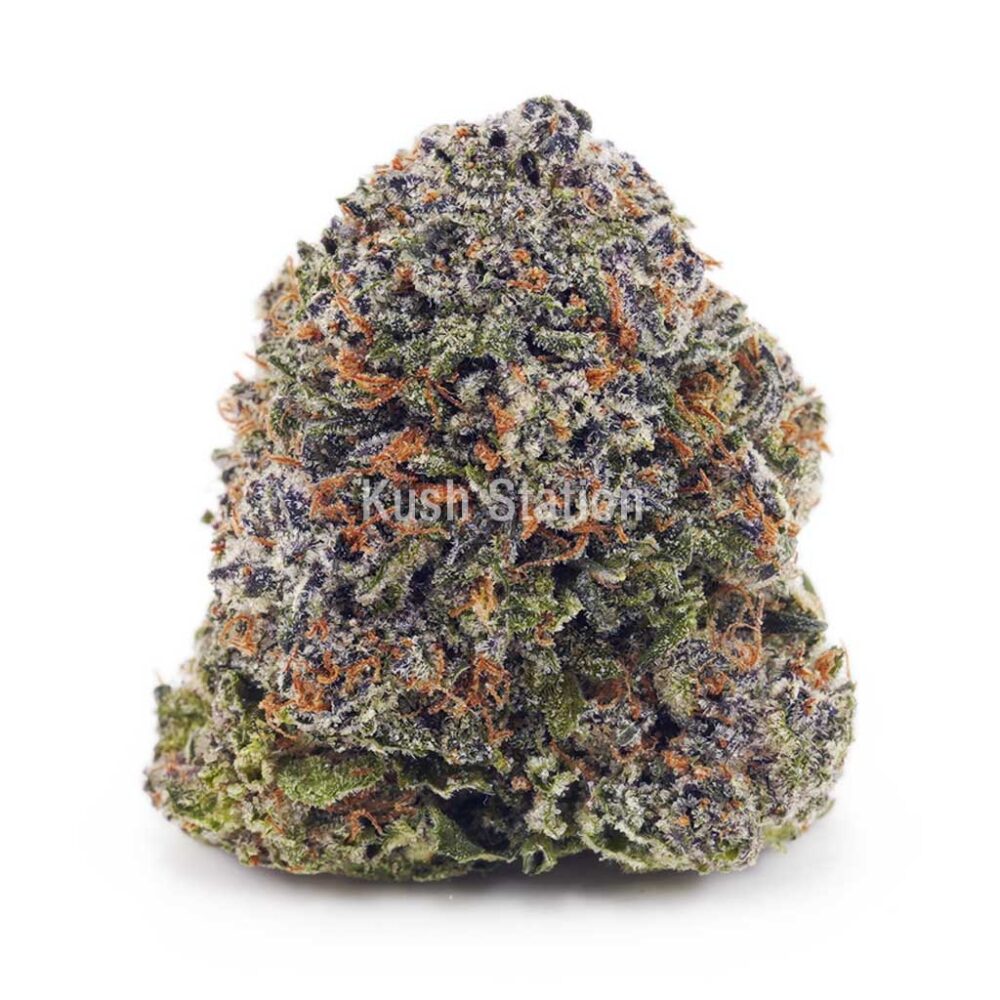
The rise of premium craft cannabis is not a trend. It is a correction. The early days of legalization were dominated by large producers who prioritized yield and speed over quality. That phase is ending. Consumers have become more knowledgeable, and they are voting with their wallets. The growers who invest in artisanal cultivation, who hand-trim their plants, who cure their flower with patience, and who package it in sustainable materials are the ones who will thrive.
This does not mean that every expensive eighth is worth the price. There is still plenty of overpriced mediocrity on the market. But the tools for telling the difference are better than ever. Lab testing, transparent sourcing, and the willingness of craft growers to share their process give buyers a real basis for judgment. If you pay attention, you can find flower that delivers an experience far beyond what the numbers on a label suggest.
That is the real promise of craft cannabis. It is not about status or exclusivity. It is about respect for the plant and the people who consume it. And once you have tasted what a well-grown, well-cured flower can do, it is hard to go back.